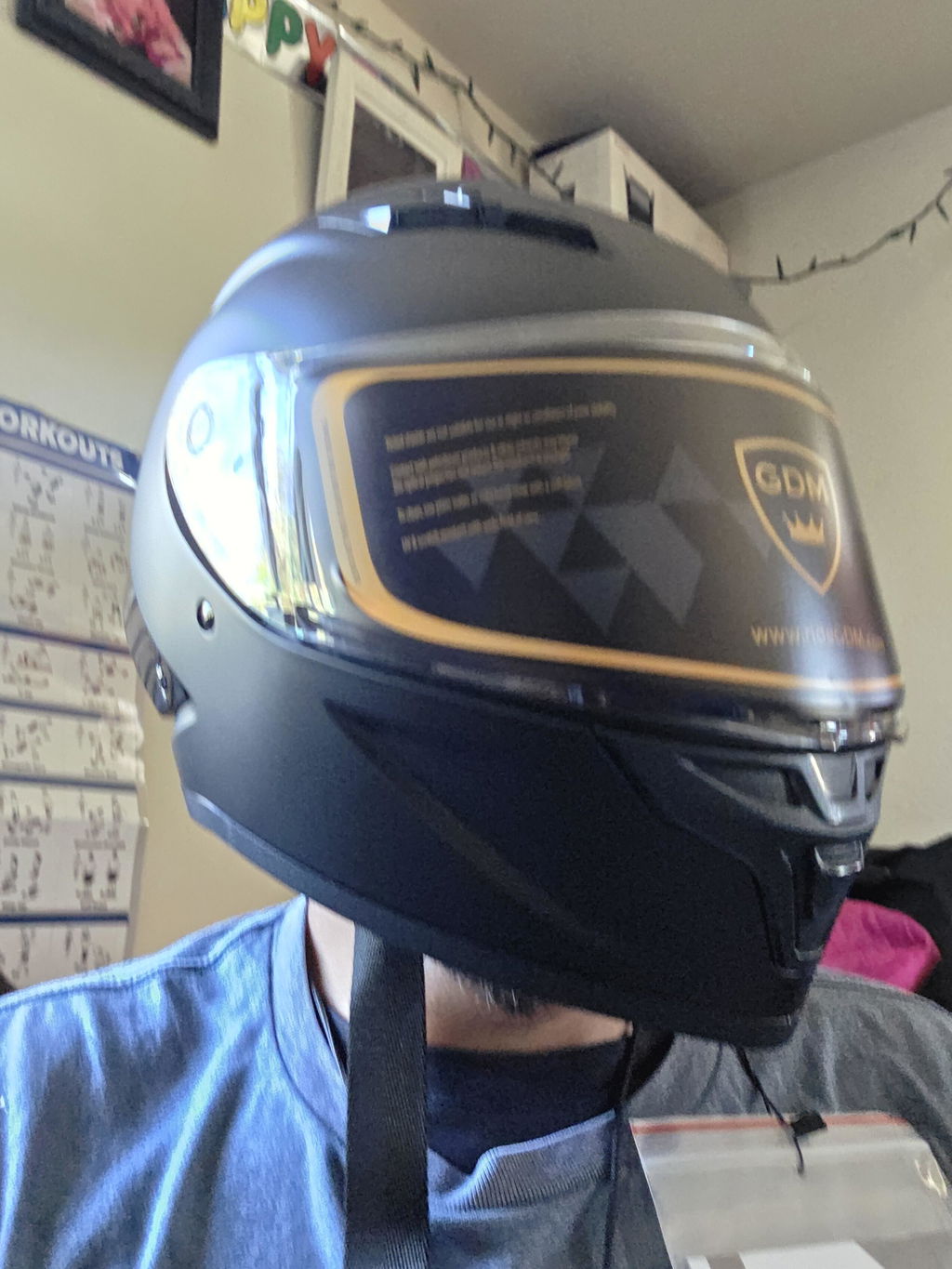
Electric scooters aren't just sidewalk rentals anymore. Commuter models cruise at 15 to 20 mph, and high-performance scooters can reach 40 mph or more, all on two small wheels. The helmet you need depends on how fast you ride. Here's how to choose an electric scooter helmet as an adult, from a bicycle helmet for short, slow trips to a DOT full face helmet for fast scooters.
Quick answer
- Up to about 15 mph (most rental and entry-level scooters): a certified bicycle helmet is the minimum. An open face motorcycle helmet adds more coverage.
- 15 to 25 mph (commuter scooters): we recommend a DOT-certified 3/4 or full face helmet, especially if you ride in traffic.
- Over 25 mph (performance scooters): wear a DOT-certified full face motorcycle helmet. At that speed, you're moving as fast as a moped or a small motorcycle.
Why your head needs protecting on a scooter
Scooters have small wheels and a tall, upright stance. A pothole, curb or crack that a bicycle would roll over can stop a scooter wheel, and the rider can be thrown forward over the handlebar.
In a 2018 study of injured e-scooter riders in Austin, Texas, run by the city's public health department with the CDC, nearly half of the 190 injured riders had head injuries, and only one of them was wearing a helmet. Nationwide, the U.S. Consumer Product Safety Commission estimates 360,800 emergency room visits linked to e-scooters, e-bikes, hoverboards and other micromobility devices from 2017 through 2022, with the head and neck among the most often injured areas.
Bicycle helmet, 3/4 or full face?
| Bicycle helmet | DOT 3/4 (open face) | DOT full face | |
|---|---|---|---|
| Made for | Bicycles | Motorcycles and scooters | Motorcycles |
| Hard outer shell | Thin plastic skin | Yes | Yes |
| Covers the back and sides of the head | Partly | Yes | Yes |
| Chin and face protection | No | No | Yes, chin bar |
| Face shield | No | Optional bubble shield | Yes |
| Weight | Lightest | Medium | Heaviest |
| Fits | Short, slow trips | City commuting at moderate speed | Fast scooters and traffic |
Bicycle helmets are certified to the CPSC bicycle helmet standard. They're light and well vented, but they're made for bicycle crashes.
DOT motorcycle helmets meet the federal motorcycle helmet standard, FMVSS No. 218. They have a hard outer shell over a thick EPS foam liner, cover more of the head, and have to pass a penetration test as well as impact tests. Learn what the label means on our DOT certification page.
Why fast scooters call for a full face helmet
When a rider goes over the front, the face and chin often hit first. A full face helmet is the only type with a chin bar, and its face shield also blocks wind, rain, bugs and road grit, which can make your eyes water or worse at commuter speeds. For more on what the chin bar does, see what makes a motorcycle helmet safer.
Is a motorcycle helmet too much for a scooter?
It's the most common worry, so here's what to expect:
- Weight. A motorcycle helmet is heavier than a bicycle helmet, but on a scooter you stand upright and most trips are short. Composite shells keep the weight down; see how much a helmet should weigh.
- Heat. Open the vents, and flip the shield up at red lights.
- Hearing traffic. You'll still hear horns and sirens. Keep music low or off in traffic.
- Carrying it. GDM helmets come with a helmet bag, so you can carry the helmet easily when you get where you're going.
What to look for in an electric scooter helmet
- A real DOT label. A motorcycle helmet should have the DOT FMVSS No. 218 label on the back of the shell.
- A clear shield for night rides. Many scooter commutes end after dark. Keep tinted and mirrored shields for daytime; see which visor color to use when.
- Visibility. A black helmet is hard to see at night. Wear a bright or reflective jacket or vest, and use the scooter's lights.
- A snug fit. The helmet shouldn't move when you shake your head. Measure your head and check the GDM size chart.
- Vents you can open and close. Open for slow city riding, closed for speed and cold.
Do you have to wear a helmet on an electric scooter?
E-scooter helmet rules vary by state and city. Some places require helmets only for riders under 18, others have different rules for faster scooters, and rental companies tell riders to wear one. Check your state and city rules before you ride. Whatever the law says, the injury numbers above make a good case for wearing one every time.
GDM helmets for electric scooter riders
All GDM helmets are DOT FMVSS-218 certified motorcycle helmets.
- Full face, for fast scooters: the GDM GHOST2, GDM Ghost and GDM VENOM have lightweight composite poly-alloy shells, 5 points of ventilation and 2 shields in the box: clear for night, plus a darker one for sun. See all full face motorcycle helmets.
- With Bluetooth, for commuters: the GDM GHOST2 with Bluetooth headset reads you GPS directions, so your phone can stay in your pocket.
- Open face, for slower scooters: the GDM RENEGADE is a 3/4 helmet. Add a flip-up bubble shield in clear, tinted or chrome when you order. See all open face motorcycle helmets.
Don't forget your hands
In a scooter fall, your hands usually hit the ground first. Gloves with palm protection, like the GDM Motorcycle Gloves, make a big difference. Our beginner gear checklist covers the rest.
Riding something faster than a scooter? See helmets for fast e-bikes and electric dirt bikes, or for gas scooters and mopeds, scooter and moped helmets.
FAQ
Do I need a helmet for an electric scooter?
It depends on where you live and how old you are; rules vary by state and city. Even where it isn't required, a helmet is strongly recommended. Head injuries are among the most common e-scooter injuries.
Can I wear a motorcycle helmet on an electric scooter?
Yes. A DOT motorcycle helmet covers more of your head than a bicycle helmet and is made for higher speeds. On a fast scooter, it's the safer choice.
Is a full face helmet overkill for an e-scooter?
Not on a fast one. Above about 25 mph, a full face helmet's chin bar and face shield protect the parts of your head that hit first when you go over the front.
What helmet should I wear on a 40 mph scooter?
A DOT-certified full face motorcycle helmet. At 40 mph you're riding at motorcycle speeds, so wear a motorcycle helmet.
Is a bicycle helmet OK on a rental scooter?
For short, slow rides on a speed-limited rental, a certified bicycle helmet is the minimum. It's much better than no helmet.