Dirt Bike vs Dual Sport Helmets: What's the Difference?
Share
From across the parking lot, a dirt bike helmet and a dual sport helmet look almost the same: both have a big peak and a long chin bar. But they're built for very different days. One is made for the track and tight trails; the other has to handle the highway ride to get there. Here's how they compare and how to choose.
Quick answer
A dirt bike (motocross) helmet has no face shield. You wear goggles, and it's built to be light and breathe hard at low speeds off-road. A dual sport helmet keeps the peak and long chin bar but adds a face shield, so you can ride on the highway in comfort and still wear goggles on the trail. If you ride only off-road, choose a dirt bike helmet. If you ride on the street at all, a dual sport helmet is the better all-rounder.
Dirt bike vs dual sport helmet: side-by-side
| Feature | Dirt bike (motocross) helmet | Dual sport helmet |
|---|---|---|
| Eye protection | Goggles only, no face shield | Face shield, and usually goggle-compatible with the shield removed |
| Peak (visor) | Large peak for roost and sun | Peak shaped to cause less lift at speed, often removable |
| Chin bar | Long, with a wide opening for heavy breathing | Long, but more enclosed against wind |
| Ventilation | Maximum airflow at low speeds | Good airflow with closable vents |
| Wind noise at highway speed | Loud | Quieter |
| Weight | Usually lighter | Usually a little heavier |
| Extras | Few | Often a drop-down sun visor and Bluetooth-ready speaker pockets |
| Best for | Motocross, enduro, tight trails | Adventure riding, commuting, mixed road and trail |
What is a dirt bike helmet?
A dirt bike or motocross (MX) helmet is designed for off-road riding at lower speeds with lots of physical effort. Riders breathe hard, stand on the pegs and get hit with roost (dirt and rocks thrown by the bike ahead). That's why MX helmets have:
- No face shield, so goggles seal out dust and mud.
- A big peak to block roost and sun.
- A long, open chin bar for airflow and room to breathe.
- Lots of vents to keep you cool when you're working hard.
On the highway, the same design gets loud and the big peak can catch the wind.
What is a dual sport helmet?
A dual sport (or adventure) helmet is a hybrid of a full face street helmet and a dirt bike helmet. It keeps the off-road peak and chin bar but adds a face shield, better sealing and features for long rides. Read What Is a Dual Sport Helmet? for a full breakdown.
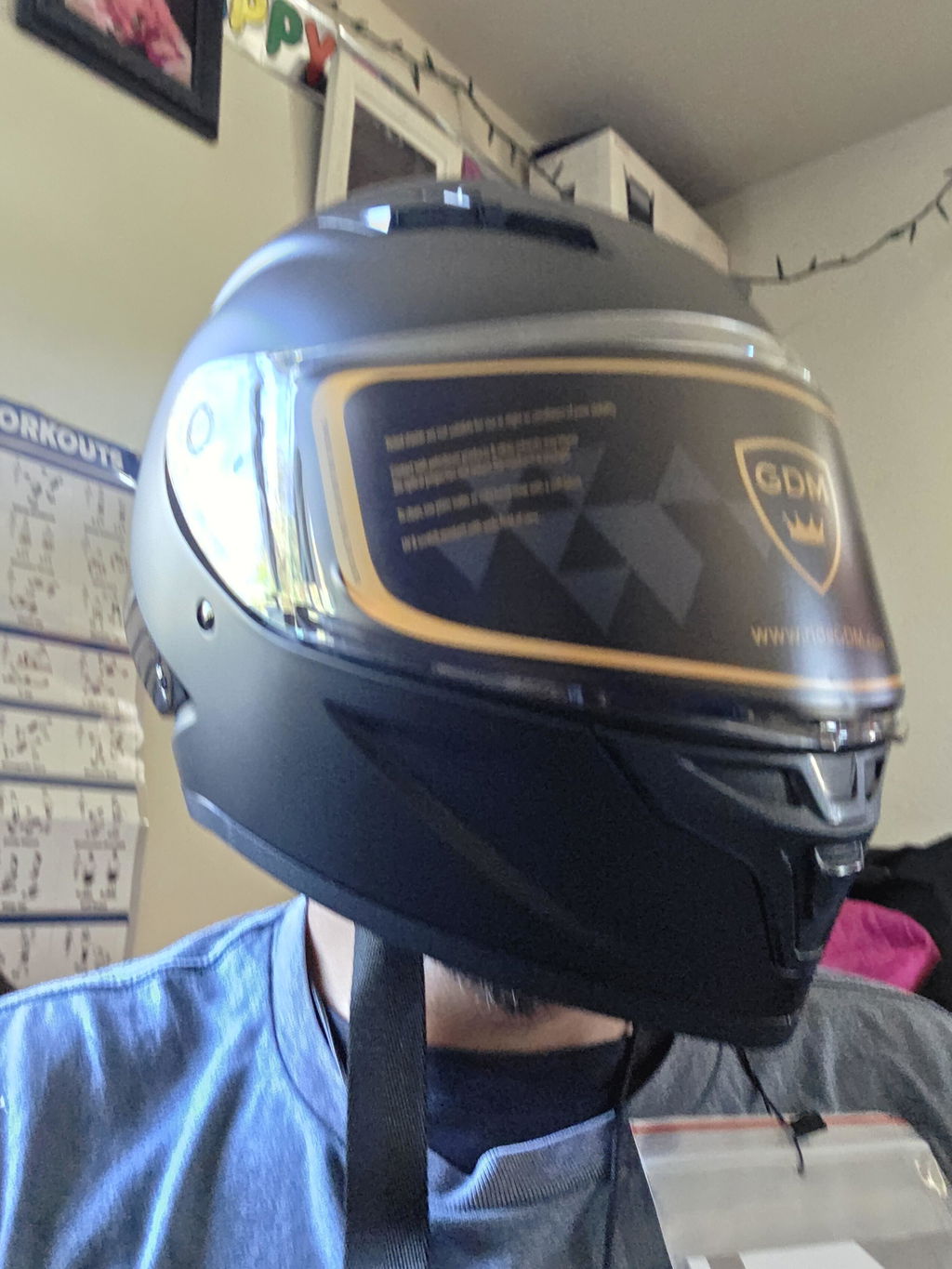
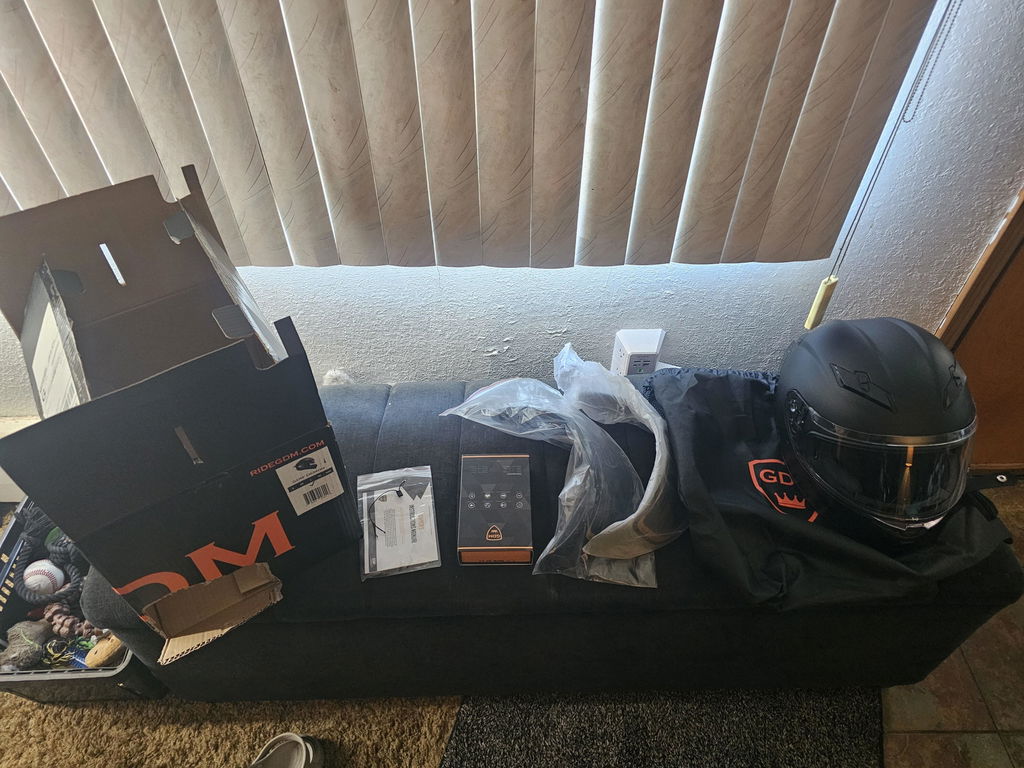
The GDM BEAST is a good example. It has an ABS/polycarbonate shell, a removable peak, a drop-down sun visor and a face shield you can remove to wear goggles. It's DOT certified to FMVSS-218, so it's street legal, and it's also one of our picks for snowmobile helmets.
Which helmet should you choose?
| If you ride… | Choose | Why |
|---|---|---|
| Only on the track or tight single-track | Dirt bike helmet | Lightest, best airflow at low speed |
| A dual sport or ADV bike on roads and trails | Dual sport helmet | Shield for highway miles, goggles for the dirt |
| An ATV or UTV | Either, as long as it's DOT certified | Dual sport is more versatile; choose a dirt bike helmet for dusty, slow trails with goggles |
| A street-legal electric dirt bike | Dual sport helmet | A shield helps at road speeds |
| Mostly on the street | Full face or dual sport | Quieter and more aerodynamic at speed |
Can you wear a dirt bike helmet on the street?
Yes, if it carries a DOT label. Many dirt bike helmets are DOT certified, so they're legal on the road. The catch is eye protection: without a face shield you need goggles, and many states require eye protection on a motorcycle without a windscreen. Expect more wind noise and buffeting at highway speeds. Check the rules where you ride in our guide to motorcycle helmet laws by state.
Can you wear goggles with a dual sport helmet?
Most dual sport helmets accept goggles once the face shield is removed. The BEAST is goggle-compatible with its shield off, which is perfect for dusty trail days. On the road, put the shield back on.
Don't skip the helmet on an ATV
ATV riders are some of the least likely to wear a helmet. According to the IIHS, 540 ATV riders died on U.S. public roads in 2024, and only 7% of them were wearing a helmet. A DOT helmet built for off-road riding, like a dual sport or dirt bike helmet, is the right choice for ATVs and UTVs too.
GDM helmets for dirt and dual sport riding
- GDM BEAST Dual Sport Helmet: removable peak, drop-down sun visor, goggle-compatible, DOT certified.
- GDM BEAST Bluetooth: the same helmet with a GDM HyperSonic Bluetooth headset and 2-rider intercom in the box.
- GDM DK-630 Youth Motocross Helmet: a goggle-style youth helmet with an adjustable, removable peak for young riders.
Need different shields? The BEAST has replacement shields in clear, tinted, iridium blue, iridium gold and chrome in our replacement visors and face shields collection.
Dirt bike vs dual sport helmet FAQ
Is a dual sport helmet good for dirt biking?
Yes. A dual sport helmet works well on trails, especially if you remove the shield and wear goggles. Dedicated motocross racers usually prefer the lighter weight and extra airflow of an MX helmet.
Are dirt bike helmets DOT approved?
Many are, but not all. Look for the DOT label on the back of the shell. If you ride on public roads, your helmet must meet FMVSS-218 in states that require helmets.
Why do dirt bike helmets have a peak?
The peak blocks roost, branches and sun. On a dual sport helmet it's shaped to cause less lift at road speeds, and it can often be removed for highway trips.
Can I use a dual sport helmet for snowmobiling?
Many riders do. A shield keeps snow spray and cold wind off your face. See how to choose a snowmobile helmet.
Shop all dual sport motorcycle helmets, or find your size first.