What Is a Dual Sport Helmet? Adventure Helmets Explained
Share
A dual sport helmet, also called an adventure or ADV helmet, is built for riders who don't stay on pavement. It combines the peak visor of a motocross helmet with the face shield and full face shell of a street helmet, so one helmet can handle the highway, the gravel road and the trail. Here's how they work and whether one is right for you.
What makes a helmet "dual sport"
- Peak visor: a short brim over the eye port that blocks sun glare and deflects dirt and roost off-road. On most dual sport helmets it's removable.
- Face shield: keeps wind, rain, bugs and dust out on the road, something a motocross helmet doesn't have.
- Full face shell with a chin bar: protects your face and jaw on and off the road.
- Ventilation: off-road riding is slow and physical, so dual sport helmets put a premium on airflow.
Dual sport vs motocross vs full face
- Motocross (MX) helmets have a large peak and an open eye port for goggles, with no face shield. They breathe well and are light, but they're loud and drafty on the highway. Built for off-road only.
- Full face helmets have no peak, so they're smoother, quieter and more stable at highway speed. The best choice for street-only riding.
- Dual sport helmets sit in between: street-legal protection and a shield for the road, plus a peak and airflow for the dirt.
For a wider comparison, read full face vs modular vs dual sport helmets.
Who should ride a dual sport helmet
- Adventure and ADV riders who mix highways, fire roads and trails on one trip.
- Dual sport and dirt bike riders who ride to the trailhead on the street.
- ATV, UTV and snowmobile riders who want sun and spray protection plus a shield. See how to choose a snowmobile helmet.
- Commuters who like the peak for sun glare and the upright, roomy view.
Riding a dual sport helmet on the highway
A dual sport helmet is fully street legal when it's DOT certified, and the face shield makes it comfortable at speed. The trade-off is the peak: at highway speeds it can catch the wind and tug at your head, especially if you turn to check traffic. Tuck your chin slightly at speed, or remove the peak for long highway days if your helmet allows it.
What to look for
- DOT certification for street use.
- A removable peak and shield so you can set the helmet up for the ride.
- Extra shields, such as tinted or iridium for bright days and clear for night.
- A drop-down sun visor, handy when light changes between trees and open road.
- Good ventilation and a removable, washable liner for dusty, sweaty days.
- Bluetooth if you ride with a group, so you can talk through turns and stops.
GDM dual sport helmets
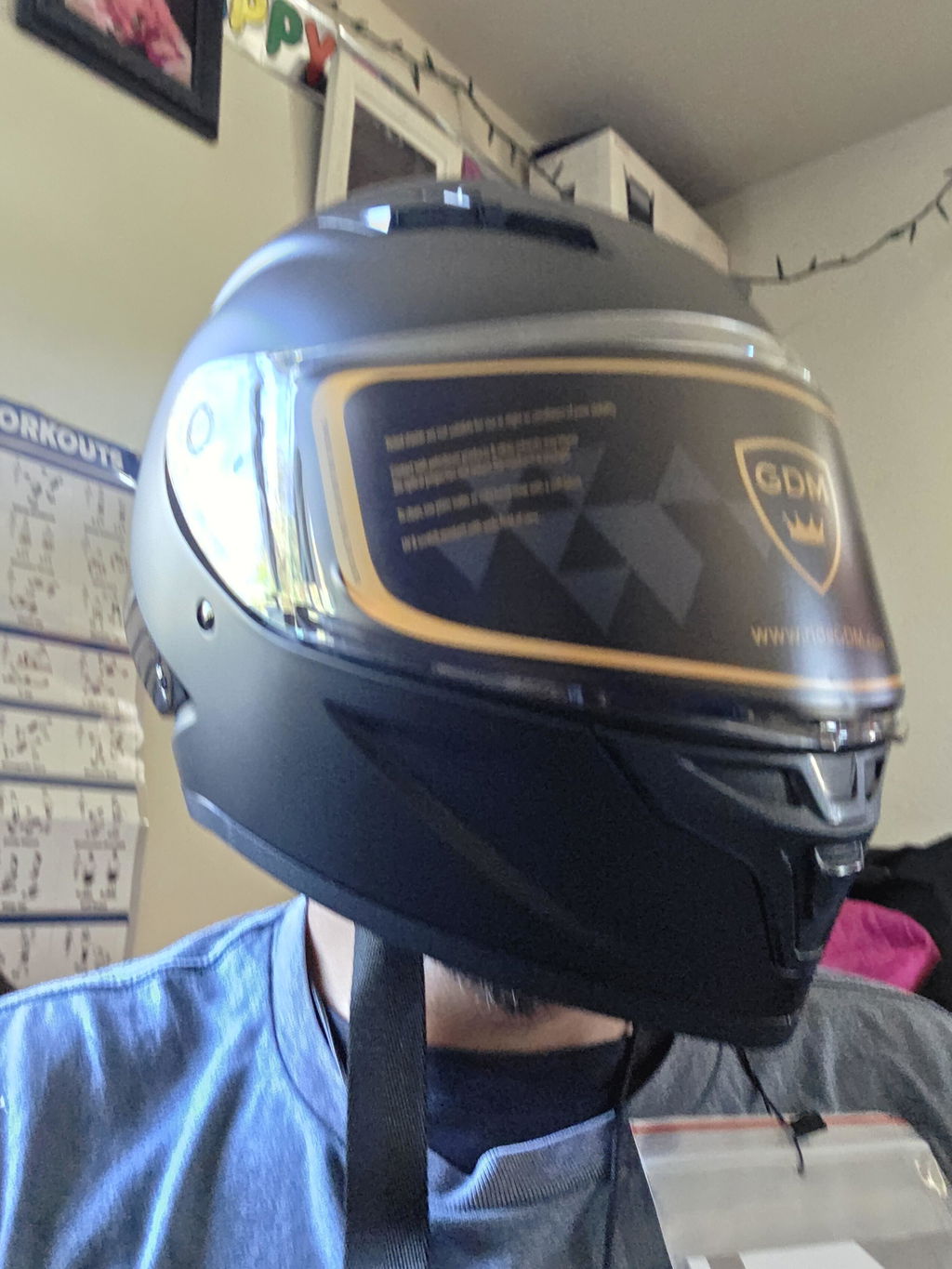
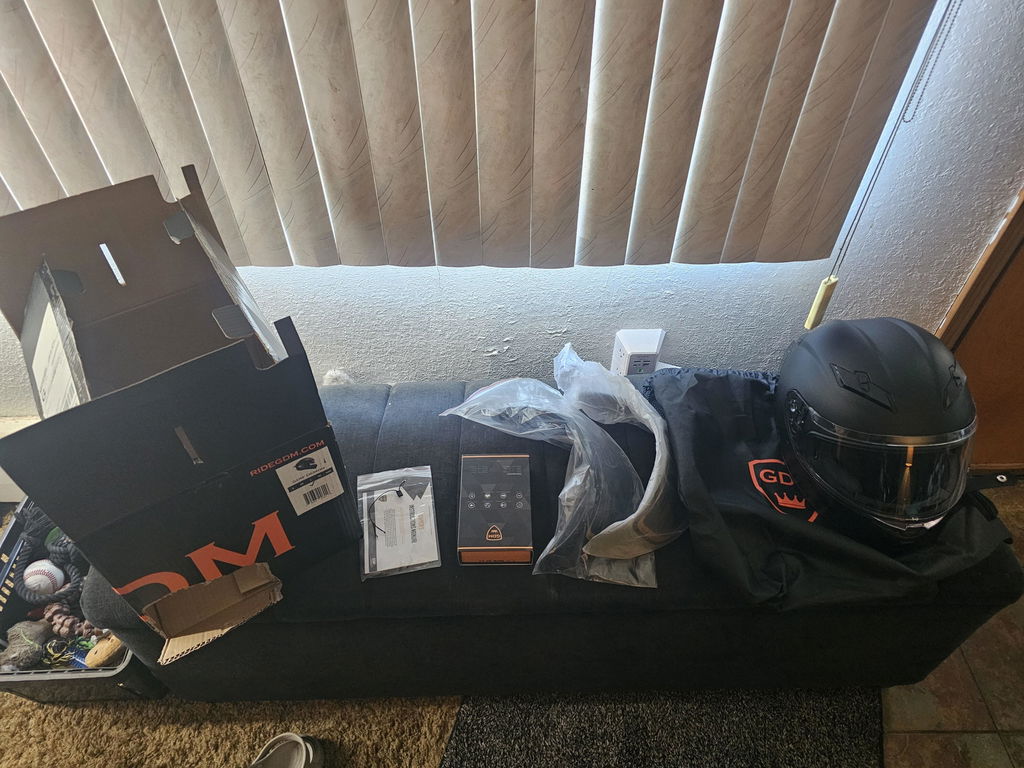
- GDM BEAST: a lightweight composite poly-alloy shell, a removable peak visor and face shield, and two shields included (tinted and clear, or iridium and clear). It has 5-point ventilation with chin, forehead and rear vents, a removable, washable, antimicrobial liner and a double D-ring chin strap. Matte black, sizes S to 2XL.
- GDM BEAST Bluetooth: adds a drop-down tinted sun visor behind a clear face shield and the GDM HyperSonic Bluetooth headset, with an intercom that connects two riders at up to 100 meters. Intermediate oval head shape, sizes S to 2XL.
Both are DOT certified. Shop all dual sport helmets.
FAQ
Is an ADV helmet the same as a dual sport helmet?
Yes. Dual sport, adventure and ADV helmets are names for the same style: a full face helmet with both a peak visor and a face shield.
Can I wear goggles with a dual sport helmet?
Many riders do, with the face shield removed or raised for dusty off-road riding. Check that your goggles fit the helmet's eye opening before you hit the trail.
Are dual sport helmets louder than full face helmets?
Usually a little, because the peak and extra vents disturb the airflow at speed. For mostly highway riding, a full face helmet is quieter.
What size dual sport helmet do I need?
Measure around your head about an inch above your eyebrows and check our helmet size chart. A good fit is snug all around with no pressure points.