How to Choose a Snowmobile Helmet (and Stop Your Shield Fogging)
Share
A snowmobile helmet has a tougher job than most. It has to keep freezing wind off your face at speed, block snow spray from the rider in front, cut glare off bright snow, and stay clear when your warm breath meets a cold shield. This guide covers what to look for in a snowmobile helmet, how to size it for winter layers, and how to stop fogging.
What makes a good snowmobile helmet
- Full face coverage: a chin bar keeps cold air off your face and protects your jaw. On a sled, an open face helmet leaves too much skin exposed to wind and snow.
- A good face shield: it blocks wind, snow and branches. Having a clear and a tinted shield lets you match the light.
- Glare control: a peak visor or a tinted shield cuts glare from sun on snow, which can be intense on bright days.
- DOT certification: it means the helmet meets the U.S. federal standard for impact and penetration protection. See how to spot a fake DOT helmet.
- Room for layers: the helmet has to fit snugly with a balaclava underneath.
- Fog control: vents, a breath deflector or an anti-fog solution, more on this below.
Dual sport, full face or modular?
Dual sport helmets are a popular choice for snowmobiling. They combine a full face shell and face shield with a peak visor that blocks glare and snow, and they work for dirt bikes, ATVs and street riding the rest of the year. Learn more in what is a dual sport helmet.
Full face helmets are smooth and quiet, a good fit for trail riding at speed. Modular helmets let you flip up the chin bar at stops to talk or put on glasses without taking the helmet off in the cold. Compare the styles in full face vs modular vs dual sport helmets.
How to stop your helmet shield from fogging
Fog forms when warm, moist breath hits a cold shield. These fixes help, and most riders combine several:
- Direct your breath down. Keep your balaclava pulled over your nose, and use a breath deflector or breath box if your helmet takes one, so warm air goes down instead of up onto the shield.
- Keep air moving. Open the chin and forehead vents. A little airflow clears moisture faster than a sealed helmet.
- Crack the shield at low speed. Opening it a notch when you stop or ride slowly lets moist air escape.
- Use an anti-fog solution. An anti-fog insert or a treated shield keeps the inner surface from fogging.
- Consider a heated shield. An electric heated shield, powered by the sled, is the most effective fog fix in extreme cold.
- Don't wipe with gloves. Wiping the inside of a cold shield with a glove smears moisture and can scratch it.
How to size a snowmobile helmet
Measure around your head about an inch above your eyebrows and compare it to our helmet size chart. Then try the helmet on with the balaclava you'll actually ride in. It should feel snug all around, with firm cheek pads and no pressure points, and it shouldn't shift when you turn your head. Our helmet fit guide explains what a good fit feels like.
Staying in touch on the trail
Riding in a group is safer when you can talk. A Bluetooth headset with an intercom lets you call out hazards, turns and stops without hand signals. Cold weather drains batteries faster, so charge your headset before every ride.
GDM snowmobile helmets
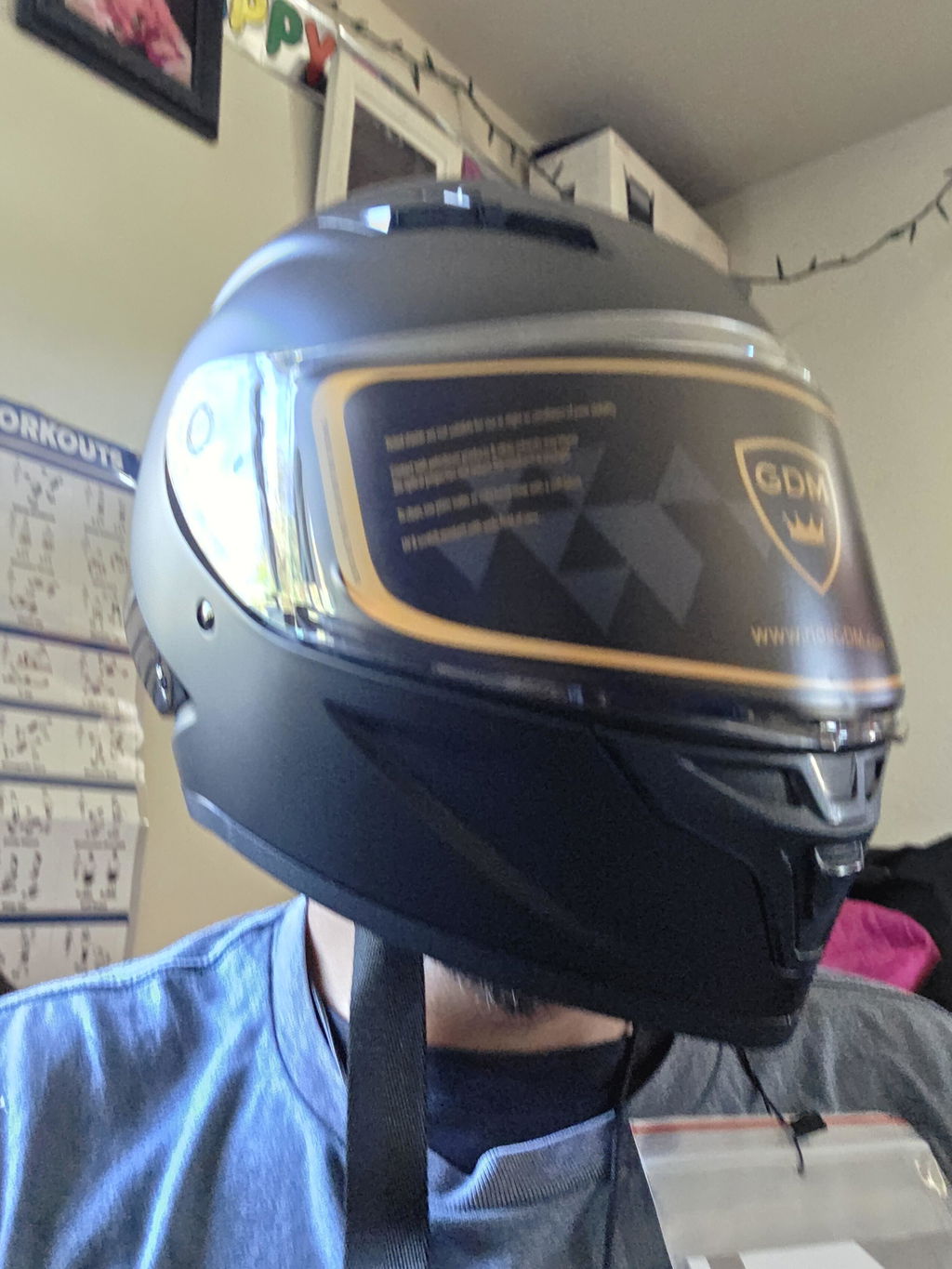
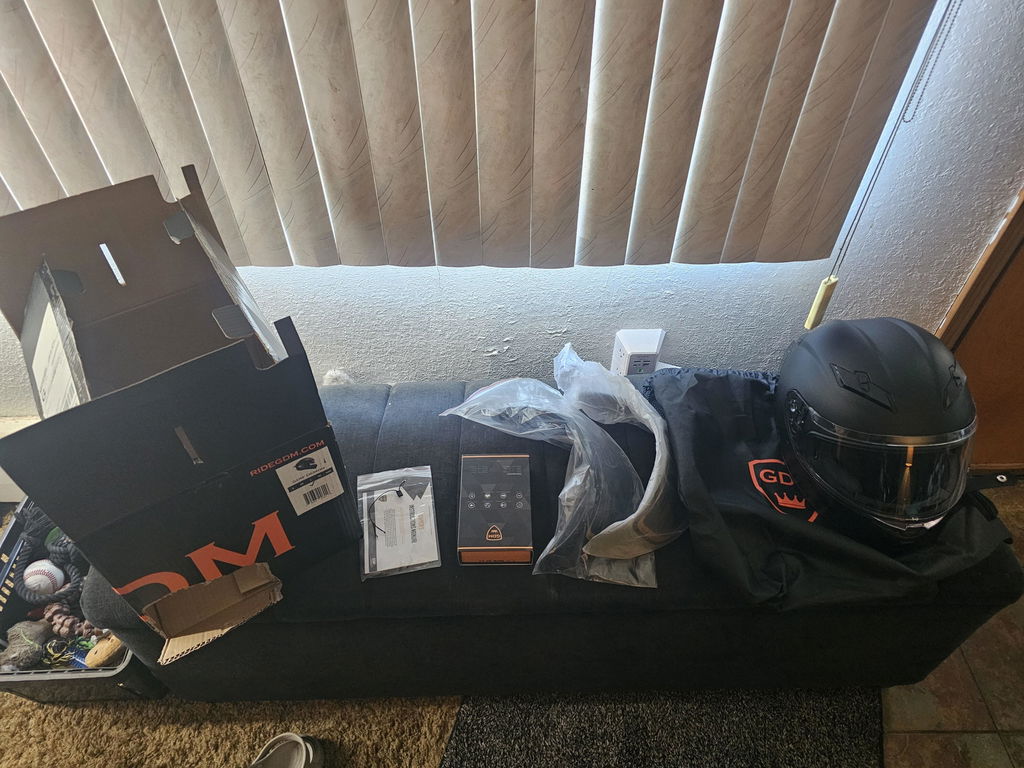
Both GDM BEAST helmets are DOT certified and made for snowmobile, dirt bike, ATV and street riding:
- GDM BEAST: a composite poly-alloy shell, a removable peak visor and face shield, two shields included (tinted and clear, or iridium and clear), 5-point ventilation and a removable, washable liner. Sizes S to 2XL.
- GDM BEAST Bluetooth: adds a drop-down tinted sun visor and the GDM HyperSonic headset, with an intercom for two riders at up to 100 meters and a waterproof design.
The BEAST uses a standard shield rather than a heated one, so in extreme cold, use the fog tips above. Shop all snowmobile helmets.
FAQ
Is a "snow machine helmet" the same as a snowmobile helmet?
Yes. "Snow machine" is what many riders in Alaska and the far north call a snowmobile.
Can I use a motorcycle helmet for snowmobiling?
Yes. A DOT certified full face or dual sport motorcycle helmet works well, as long as it fits with your winter layers and you manage fogging.
Should I wear goggles or a face shield?
Both work. A face shield blocks more wind and snow, while goggles suit riders who stand and work the sled hard in deep snow. If you prefer goggles, make sure they fit your helmet's eye opening.
Do I need a helmet to ride a snowmobile?
Helmet rules for snowmobiles are set by each state, so check yours. Either way, a DOT certified helmet is the best protection for your head and face.