Open Face vs Full Face Helmets: Pros, Cons and Safety
Share
An open face helmet, also called a 3/4 helmet, covers the top, back and sides of your head and leaves your face open. A full face helmet adds a chin bar and face shield. The right choice depends on where you ride, how fast, and how much protection you want. Here's an honest comparison.
Open face (3/4) helmets: pros and cons
Pros
- The widest field of view of any street helmet
- Lots of fresh air, great in hot weather and city traffic
- Easy to put on and take off, and to talk or drink at stops
- Works well with sunglasses
- A classic look on cruisers, cafe racers and scooters
Cons
- No protection for your face and chin
- Wind, rain, bugs and debris hit your face unless you add a shield or goggles
- Louder and colder at highway speed
Full face helmets: pros and cons
Pros
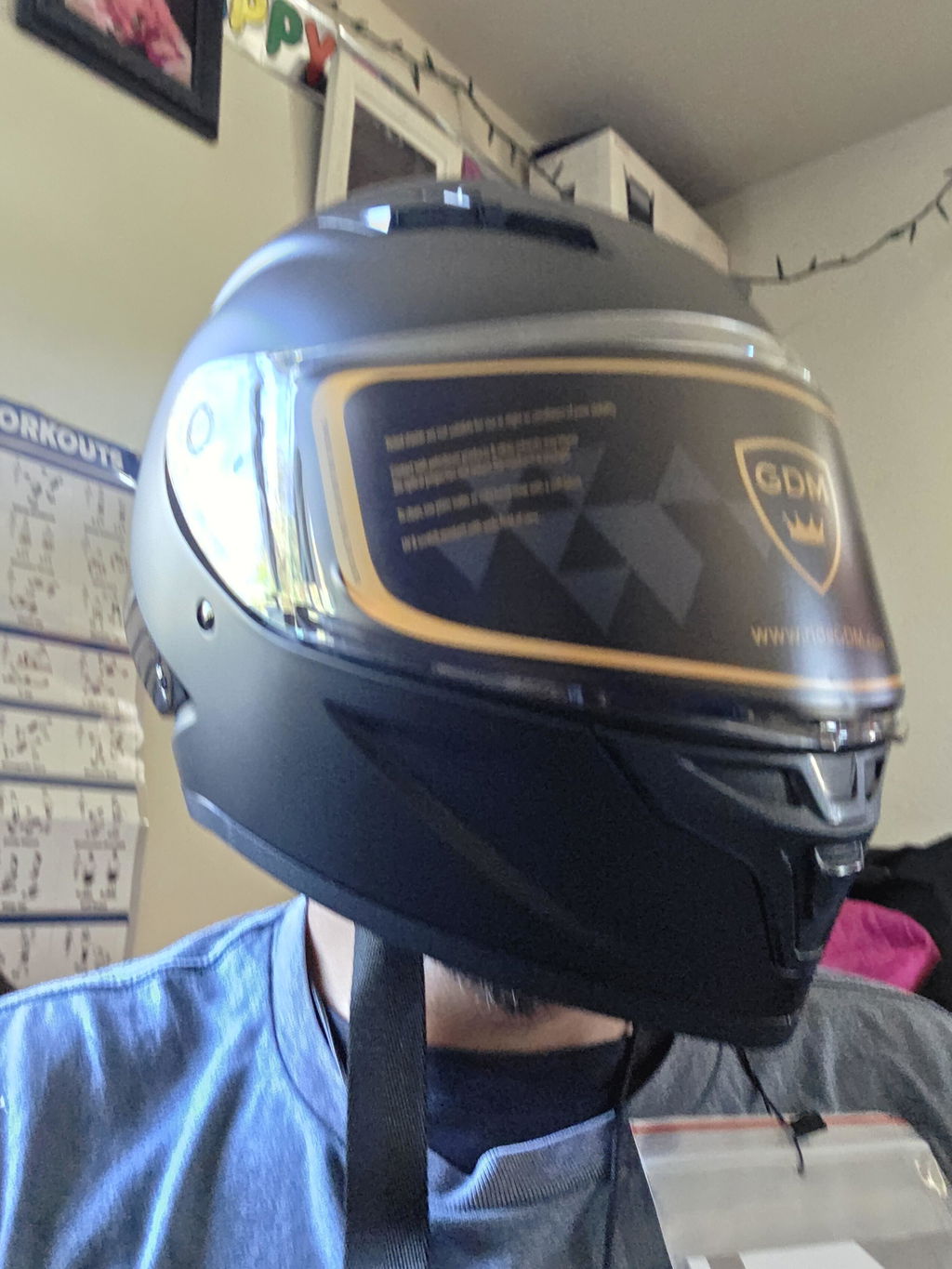
- The most protection: one shell covers your head, face and chin
- Quieter and more comfortable at highway speed
- Keeps out wind, rain, cold and bugs
Cons
- Warmer in hot weather
- Has to come off to eat or drink
- A narrower view than an open face helmet
Which is safer?
A full face helmet. Both styles protect your skull when they're DOT certified, but only a full face helmet protects your face and jaw, which often take a hit in a crash. If you ride at highway speed or in traffic, a full face motorcycle helmet is the safer pick. If you want flip-up convenience with full coverage, consider a modular helmet; see modular vs full face helmets.
Don't skip eye protection
With an open face helmet, your eyes need their own protection from wind, dust and bugs. Use a face shield, a bubble shield, goggles or riding glasses. Some states require eye protection on motorcycles without a windshield, so check your local laws. Our shield replacement guide covers keeping shields clear and scratch-free.
Open face vs half helmet
A 3/4 open face helmet also covers the sides and back of your head, including your ears. A half helmet covers only the top. If you like the open-air feel, a 3/4 helmet gives you noticeably more coverage than a half helmet.
Which style fits your riding?
- Cruisers, cafe racers and scooters around town: an open face helmet with a shield or goggles.
- Highway, commuting in all weather and sport riding: a full face helmet.
- Touring with lots of stops: a modular helmet.
GDM open face helmets
- GDM RENEGADE: a vintage-style 3/4 helmet in matte black with a lightweight composite poly-alloy shell, a removable, washable liner and a double D-ring chin strap. Choose it with no shield or with a clear, tinted or chrome shield.
- GDM RENEGADE Bluetooth: an ABS shell with an EPS impact liner, diamond-stitched padding, a flip-up removable bubble shield and built-in Bluetooth with up to 12 hours of talk time.
Both are DOT certified. Shop all open face motorcycle helmets.
FAQ
Is a 3/4 helmet the same as an open face helmet?
Yes. Both names describe a helmet that covers the top, back and sides of your head and leaves your face open.
Are open face helmets street legal?
Yes, when they're DOT certified. They meet the same federal standard as full face helmets.
Can I add a shield to an open face helmet?
Yes. Many open face helmets take a snap-on or flip-up shield. The GDM RENEGADE comes with shield options, and the RENEGADE Bluetooth includes a flip-up bubble shield.
Is an open face helmet good for the highway?
It works, but it's louder and you'll need eye protection. For regular highway riding, a full face helmet is quieter and safer.